

Most rec centers start with consumer walkie-talkies and find out quickly that they don’t reach from the gym to the outdoor fields, or that one splash on the pool deck kills them. Then they’re passed between part-time staff, dropped on the courts, and left in the sun at summer camp, and within a season they’re broken or lost.
Business-grade UHF radios fix all of it: signal that covers your whole facility, waterproof and drop-tested housings that survive the pool deck and the playground, and the build quality to last for years, so your budget isn’t spent replacing radios every summer.
Everything you need to decide is right here! We’ve equipped recreation centers across the country since 1997. Here’s how to pick the right radio for your facility.
Why Recreation Centers Rely on Two-Way Radios
Recreation centers are large, busy, and unpredictable. A typical shift might include a pool incident, a gym equipment malfunction, a lost child at the front desk, and a birthday party setup that needs last-minute changes—all before noon.
Radios make it possible to handle all of it without chaos. Unlike cell phones, they don't require signal bars, passwords, or unlocking a screen. Communication is instant, hands-free if needed, and reaches everyone on the channel at once.
The financial case is straightforward too. Most quality business radios cost between $100–$300 per unit, with no recurring subscription costs. Over a five-year lifespan, that's a fraction of what even basic mobile plans would cost across a full team.
For staff spread across aquatic areas, gyms, locker rooms, parking lots, and event halls, radios aren't a luxury. They're a necessity.
Choosing the Right Radio: What to Consider
Coverage and Wattage
The size of your facility determines how much power you need. Buying too much power wastes budget. Too little, and you'll deal with dropped calls and frustrated staff.
Here's a simple breakdown:
- Small centers (100,000–250,000 sq. ft.): 1–2 watts is sufficient for clear coverage.
- Large centers or multiple buildings (up to 350,000 sq. ft.): Step up to 3–4 watts, with the option to add repeaters for extended range.
- Multi-location or statewide organizations: Look for LTE/Wi-Fi-enabled radios that operate over cellular networks for unlimited connectivity.
Number of Channels
Channels let you divide your team into communication groups—so lifeguards aren't interrupted by maintenance chatter, and front desk staff aren't pulled into security conversations.
For a typical recreation center, plan for at least 4–8 channels covering groups like:
- Front desk and administration
- Maintenance and facilities
- Security
- Event coordinators
- Lifeguards and pool supervisors
The more organized your channels, the smoother your operations.
Key Features to Look For
Durability and water resistance: Aquatic facilities are tough environments for electronics. Look for radios rated at IP54 or higher to handle splashes, humidity, and dust.
VOX (voice-activated operation): Hands-free communication is a game-changer for lifeguards, maintenance workers, and anyone wearing gloves. VOX lets staff communicate without touching the radio.
Battery life: Aim for at least 12 hours of use per charge. Anything less means mid-shift battery swaps—and that's a headache nobody needs.
Compact and lightweight design: Staff carrying radios all day will thank you for choosing a lighter model. Ergonomic design reduces fatigue during long shifts.
Privacy codes and encryption: Prevent cross-channel interference and protect sensitive communications with built-in privacy features.
Emergency alert function: In any facility with a pool or large public gatherings, the ability to instantly broadcast an emergency alert to all staff is non-negotiable.
Our Top Radio Picks for Recreation Centers
For Small Recreation Centers
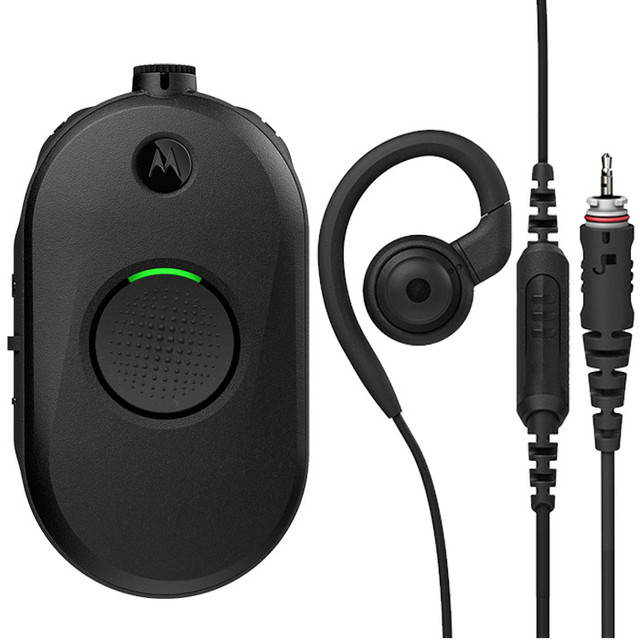
A sleek, ultra-compact radio built for customer-facing environments. Its discreet design makes it ideal for front desk staff or event coordinators who need to look professional on the floor. Supports 8 channels for flexible team grouping.
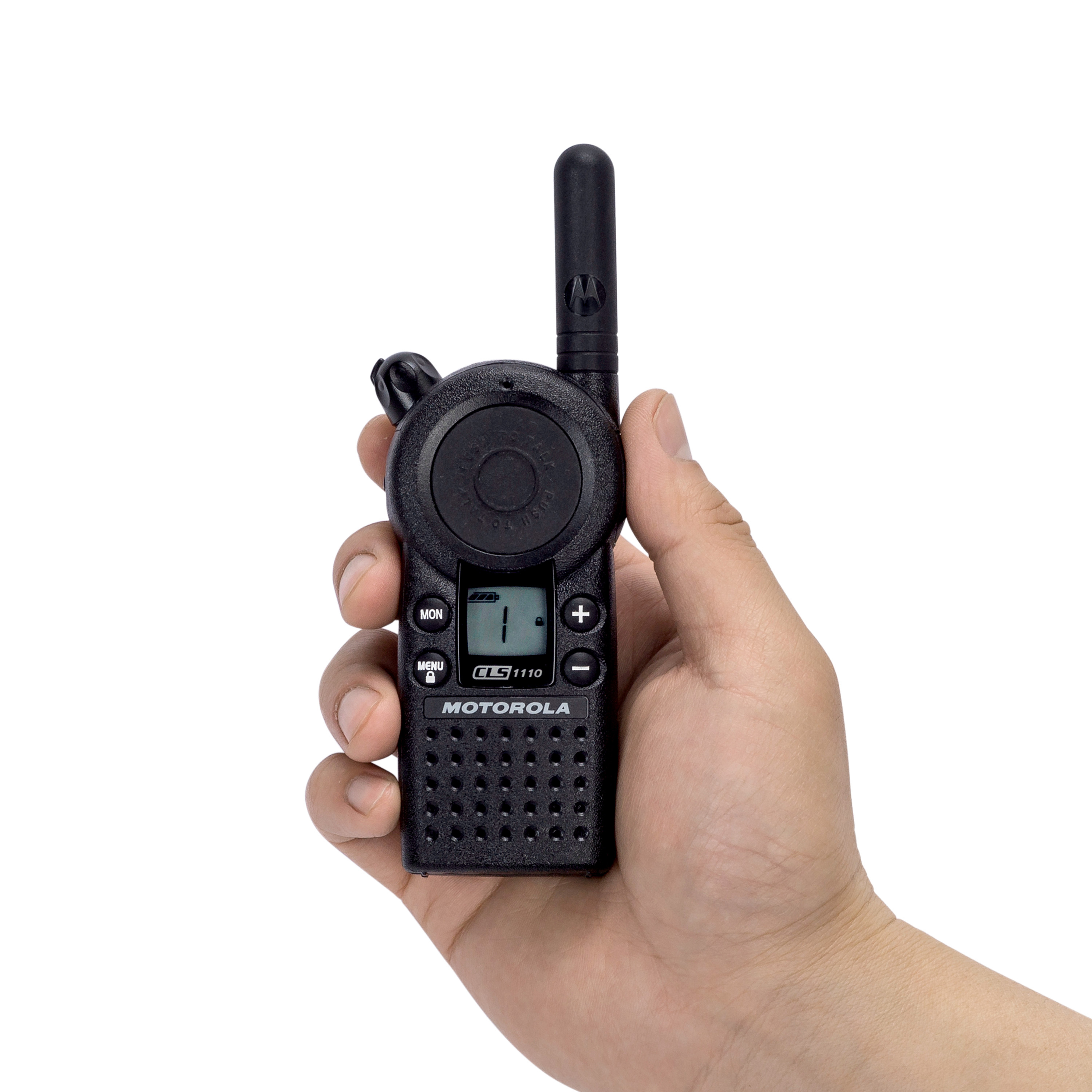
A reliable workhorse with 4 channels, strong battery life, and a durable build that holds up to daily use. Simple to operate, easy to train staff on, and consistently performs through a full shift.
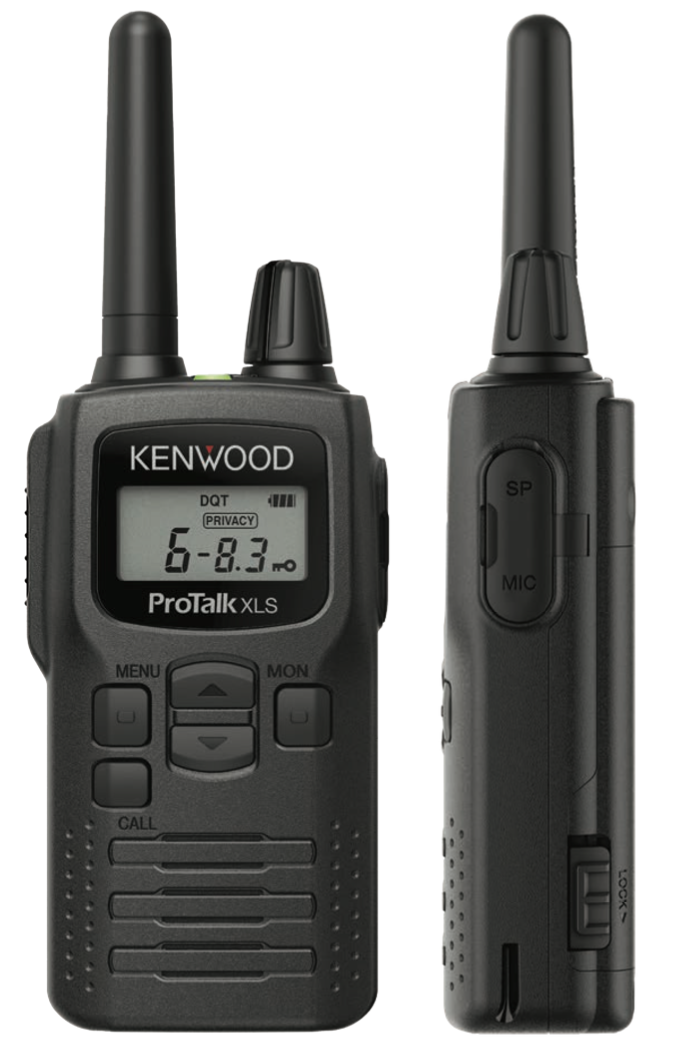
Pocket-sized and feather-light, the PKT-300 is perfect for staff who need a radio that stays out of the way. Six channels, rugged construction, and effortless operation make it a strong choice for smaller teams.
For Large Centers or Multi-Building Facilities
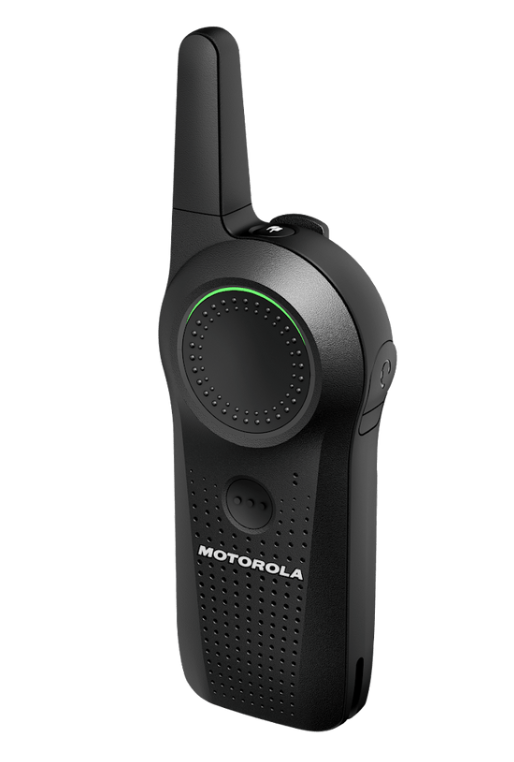
Covers up to 300,000 sq. ft. across 30 floors, and with 10 channels. Supports private replies and all-call functions for flexible communication.

Covers 250,000 sq. ft. with 8 channels and exceptional water resistance. The built-in display makes it easy to navigate channels without guesswork, and its rugged build is well-suited to aquatic and outdoor environments.
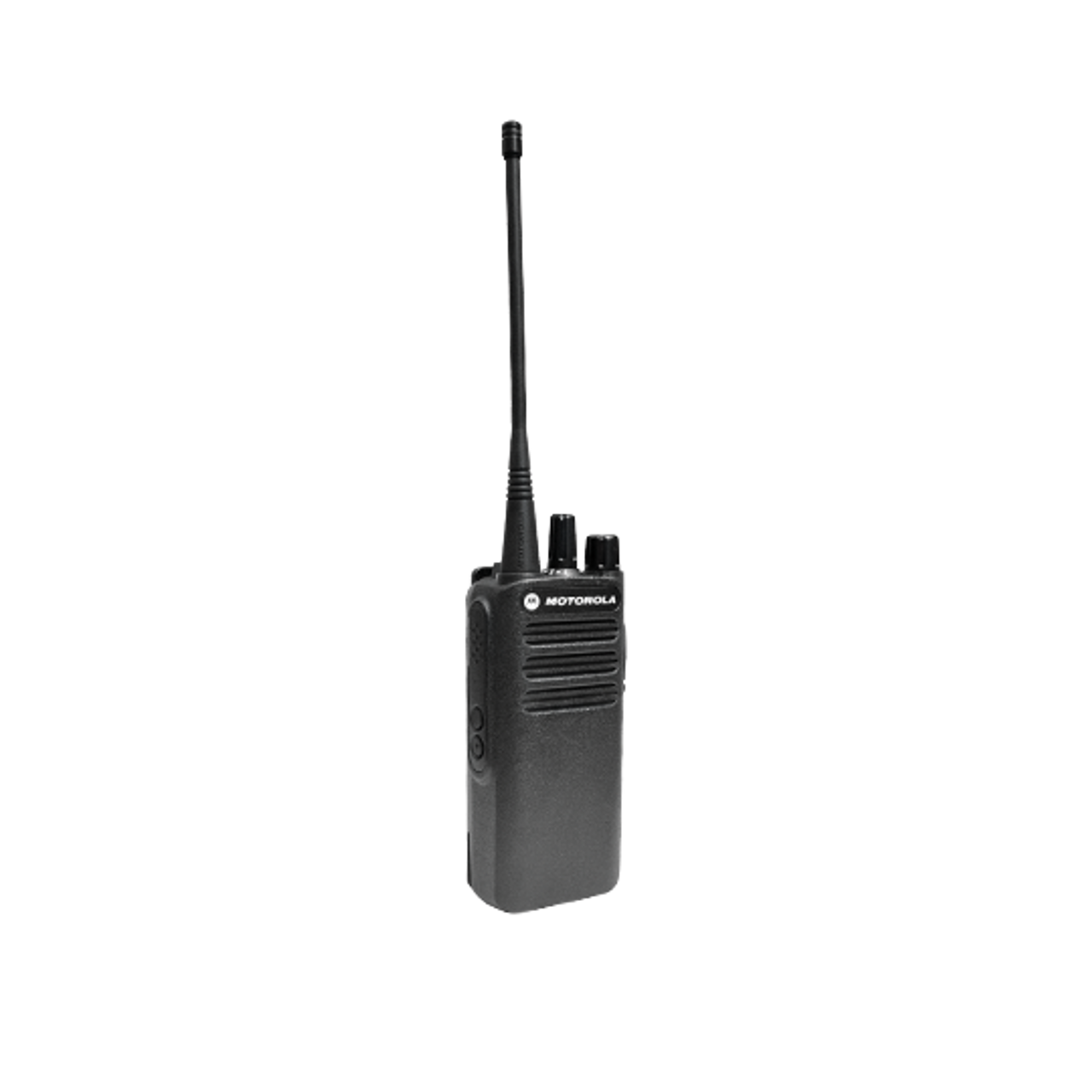
When you need serious range, this radio delivers. With 16 channels and 4 watts of power, it punches through walls and across large distances—ideal for sprawling campuses or multi-building recreation complexes.
Accessories Worth Adding
The right accessories extend the value of your radios and improve the day-to-day experience for your team.
- Earpieces and headsets: Keep communications discreet and avoid interrupting guests.
- Belt clips and holsters: Every radio in our lineup includes one, but extras are useful as your team grows.
- Multi-unit charging docks: Centralized charging keeps all devices accounted for and eliminates cord clutter at the end of each shift.
- Spare batteries: Even with 12-hour battery life, having backups on hand ensures no one is left without a working radio during a long event day.
Making the Final Call
No single radio fits every recreation center. The right choice depends on your facility's size, the number of staff on shift, your environment, and your budget. A small indoor center with 10 employees has different needs than a sprawling multi-building complex with aquatic facilities, sports courts, and event spaces.
Start with your coverage requirements—that will narrow your options quickly. Then layer in the features that matter most to your team, whether that's water resistance, hands-free operation, or extended battery life.
A well-equipped team communicates faster, responds to issues sooner, and delivers a better experience to every guest who walks through your doors.
Get the Right Radios for Your Team
Ready to equip your recreation center with reliable, clear communication? Tech Wholesale has over 25 years of experience matching businesses with the right radio for their needs—and we're here to help you do the same.
Request a quote for our best possible pricing, and get lifetime tech support included with every purchase. Have questions? Our team is ready to help you find the perfect fit.
Frequently Asked Questions
How many radios does a typical recreation center need?
This varies by team size and shift structure. A good starting point is one radio per active staff member on shift, plus a few spares for supervisors or emergency use.
Can I use the same radios indoors and outdoors?
Yes, as long as you choose a model with adequate wattage for your outdoor coverage area. For facilities with large outdoor spaces, a 3–4 watt model will serve you better than a 1–2 watt option.
What's the difference between analog and digital radios?
Digital radios generally offer clearer audio and better range efficiency. Analog radios are typically more affordable but may require licensing and offer less audio clarity at the edge of their range.
How long do two-way radios typically last?
Quality business radios are built to last. With proper care, most models provide five or more years of reliable daily use.