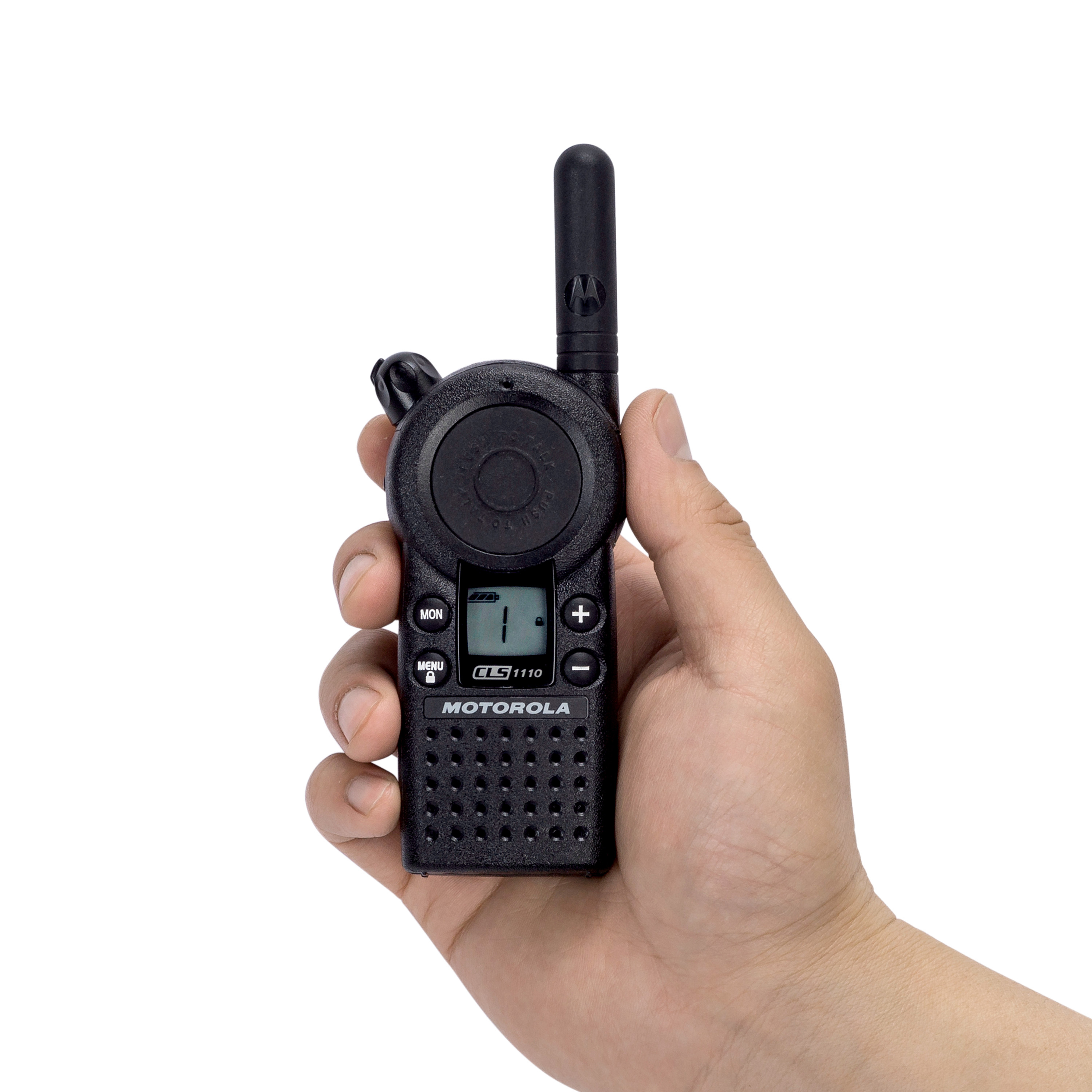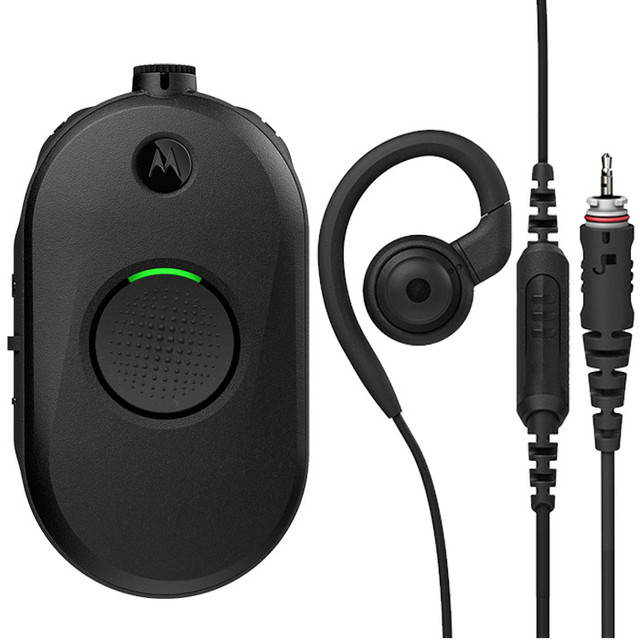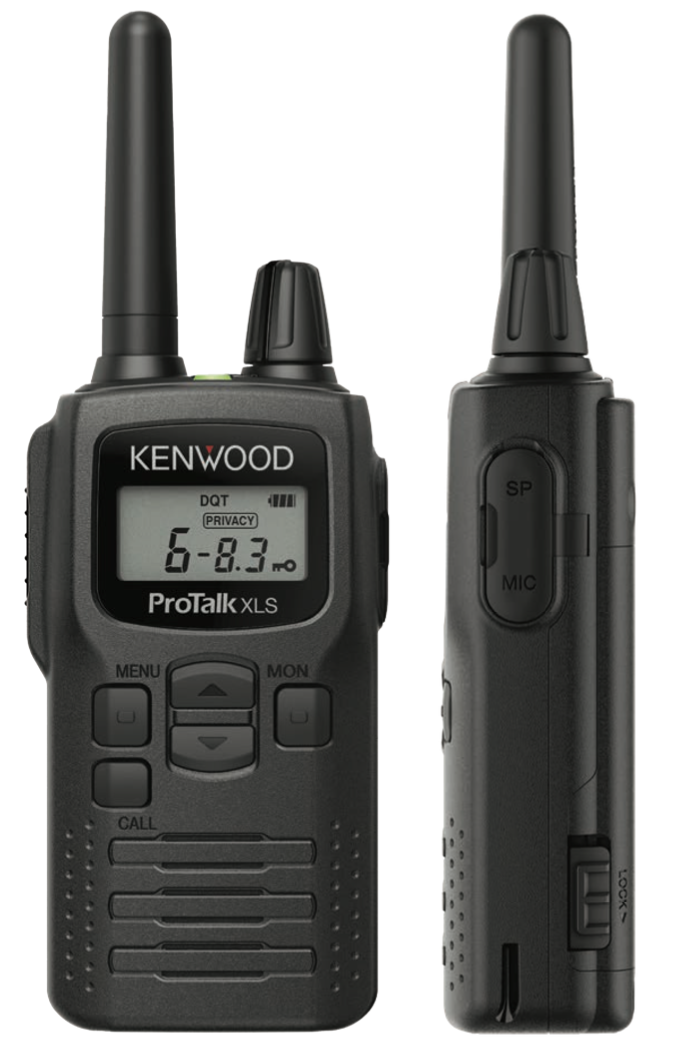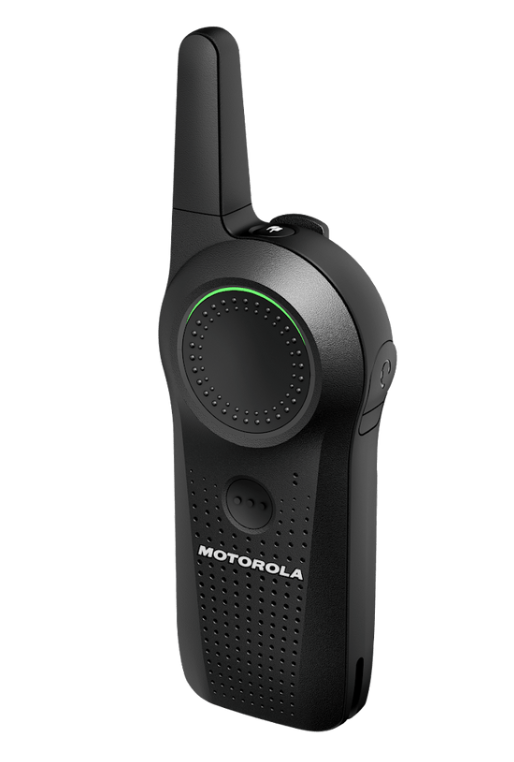
Your dispensary's camera system won't stop a theft in progress—your radio will.
A customer asks about a product locked in the back room, but the only keyholder is across the store. Security spots someone acting suspiciously near the exit but can't quietly alert the team without causing a scene. The front desk checks in a patient and calls for a budtender—no one responds.
Everyone's doing their job. But no one's connected. And it's starting to show.
These are real, everyday scenarios in dispensaries across the country. And they all share the same fix: clear, reliable two-way radio communication.
The problem is, not all radios are built for a dispensary environment. Buy the wrong one, and you're dealing with static, dead zones, and a radio that falls apart within the year.
That's exactly why we put this guide together. With thousands of radios sold and over 25 years of industry experience, we know what works—and what doesn't.
By the end of this post, you'll know exactly which radio fits your dispensary's size, layout, and team structure.
What Makes a Great Dispensary Radio?
Before jumping into our top picks, let's cover what to look for. Dispensaries have unique communication needs: sensitive conversations, a mix of indoor spaces, and staff spread across multiple zones.
Here are the key features that matter most:
- Clear Audio Quality: Dispensaries can get loud—music, HVAC, customer conversations. Crisp, reliable audio is non-negotiable.
- Private or Encrypted Channels: Protecting sensitive conversations (especially those involving security or customer incidents) is essential. Look for radios with privacy codes or encryption features.
- Long Battery Life: Staff need radios that last an entire shift without recharging, especially during peak hours.
- Compact and Lightweight Design: Radios should be easy to carry, whether clipped to a belt or tucked into an apron pocket.
- Hands-Free or Earpiece Compatibility: For discretion and multitasking—particularly for budtenders and security personnel—hands-free operation is a major advantage.
- Durability: Drops happen. A sturdy build ensures your radio survives daily wear and tear.
- Multiple Channels: Enough channels to separate departments keeps communication organized and efficient.
Coverage: Match the Radio to Your Building
One of the most common mistakes dispensaries make is buying a radio that's either too powerful or not powerful enough for their space.
Small dispensaries (up to 200,000 sq ft) can get full, reliable coverage with 1–2 watts of power. You don't need to overpay for range you won't use.
Larger dispensaries or multi-building operations (up to 350,000 sq ft) need more muscle—typically 3–4 watts on analog or 1 watt on digital to transmit clearly through walls and across greater distances.
Also factor in your building materials. Thick concrete walls absorb signal, so you may need to bump up power by one watt compared to a standard build.
How Many Channels Does Your Team Need?
Channels let you segment conversations by department, which keeps radio chatter organized and purposeful. Here's a simple setup that works well for most dispensaries:
- Front-of-House: Receptionists, budtenders, and cashiers managing customer flow and wait times
- Inventory & Fulfillment: Team members handling restocking, backroom access, and inventory checks
- Security: A private channel for monitoring activity and coordinating discreet responses
- Management: Supervisors overseeing operations and jumping between departments as needed
Easy breezy. That's concise, direct communication.
Channels also enable private conversations. "Sarah, call Tom on channel two." Sarah and Tom can then talk freely without interrupting the rest of the team.
Why Brand Quality Matters
A radio that breaks down after six months isn't a budget win—it's a loss. Motorola and Kenwood are the two most trusted names in the two-way radio industry, and for good reason.