

Buy the wrong radio, and you'll know it fast. Static during a rescue. A dead battery mid-shift. A flimsy build that doesn't survive a single scuffle with a frightened dog.
This guide cuts through the noise (pun intended) to help you choose the right two-way radio for your team. You'll learn what features actually matter in the field, how to match coverage to your area, and which specific models are worth your budget.
Why Animal Control Teams Rely on Radios
You've got a scared, aggressive stray on a catch pole in one hand and a leash in the other. You need backup—now. Pulling out your cell phone to scroll, unlock, and dial isn't an option.
That's exactly where two-way radios shine.
Instant communication. Press a button, talk. No dialing, no swiping, no waiting for a call to connect.
Minimal distraction. Radios are built for the job. Unlike smartphones, they keep your attention on what matters—the animal in front of you.
Cost efficiency. Most traditional radios have a single upfront cost with no monthly fees. Buy once, use for years.
For animal control teams juggling unpredictable situations, radios aren't a luxury—they're essential gear.
Understanding Coverage: Match the Radio to Your Area
One of the biggest mistakes teams make is buying a radio without thinking about coverage. Too much power, and you're overpaying. Too little, and you'll hit dead zones at the worst possible moments.
Here's a simple breakdown:
- 1–2 Watts: Best for smaller coverage areas, up to about one mile. Great for compact facilities or urban areas with defined boundaries.
- 3–4 Watts: Handles larger areas up to three miles. If your team works outdoors in open spaces with minimal obstructions, VHF (Very High Frequency) radios are worth considering—they're designed to perform well in those conditions.
If your team operates across multiple cities or even state lines, traditional wattage won't cut it. That's where LTE-based radios come in, offering unlimited coverage through cellular and WiFi networks (more on that below).
How Many Channels Do You Need?
Channels let you segment conversations across different teams or situations. Think of them like dedicated phone lines—each group gets their own, so important communication doesn't get buried in general chatter.
Here's a recommended channel setup for animal control teams:
- Channel 1 – General Communication: Day-to-day updates and casual coordination.
- Channel 2 – Rescue Operations: For urgent situations that need immediate action.
- Channel 3 – Veterinary Emergencies: A dedicated line to coordinate medical support quickly.
- Channel 4 – Supervisor Channel: Secure conversations between management and team leads.
Not everyone needs to hear what Mike had for lunch. Strategic channel allocation keeps communication clean, reduces confusion, and keeps sensitive conversations private.
Features That Matter in the Field
Animal control is rough on equipment. Radios take drops, get exposed to rain, and have to work inside loud shelters. Here are the features that separate a reliable radio from a frustrating one:
Durability and Water Resistance
Animals don't respect gadgets. An IP-rated radio that handles drops, dust, and unexpected splashes is worth every penny. You shouldn't have to worry about your radio during a rainy-day rescue.
Noise Cancellation
Shelters are loud. Barking dogs, stressed animals, shouting team members—noise-canceling radios cut through it all so your team hears every word clearly.
Emergency Alerts
If something goes sideways—a dangerous animal escape, an injured officer—you need to notify your entire team instantly. An emergency alert button makes that possible with a single press.
Hands-Free Operation (VOX)
VOX (voice-activated transmission) lets you communicate without pressing any buttons. When you're managing a squirmy cat with both hands, this feature isn't just convenient—it's necessary.
Long Battery Life
Shifts are long, and rescue operations don't stop for low battery warnings. Look for radios rated to last a full shift, and consider keeping spare batteries on hand.
Our Top Two-Way Radio Picks for Animal Control
For Limited or Local Coverage

- Channels: 50
- Power: 1 Watt digital (equivalent to 4 watts analog)
- Coverage: Up to 350,000 sq ft
- Highlights: Flexible call options including call-all and private reply
The DTR700 is a smart pick for teams working within a single facility or a defined area. Its digital signal offers impressive clarity relative to its wattage.
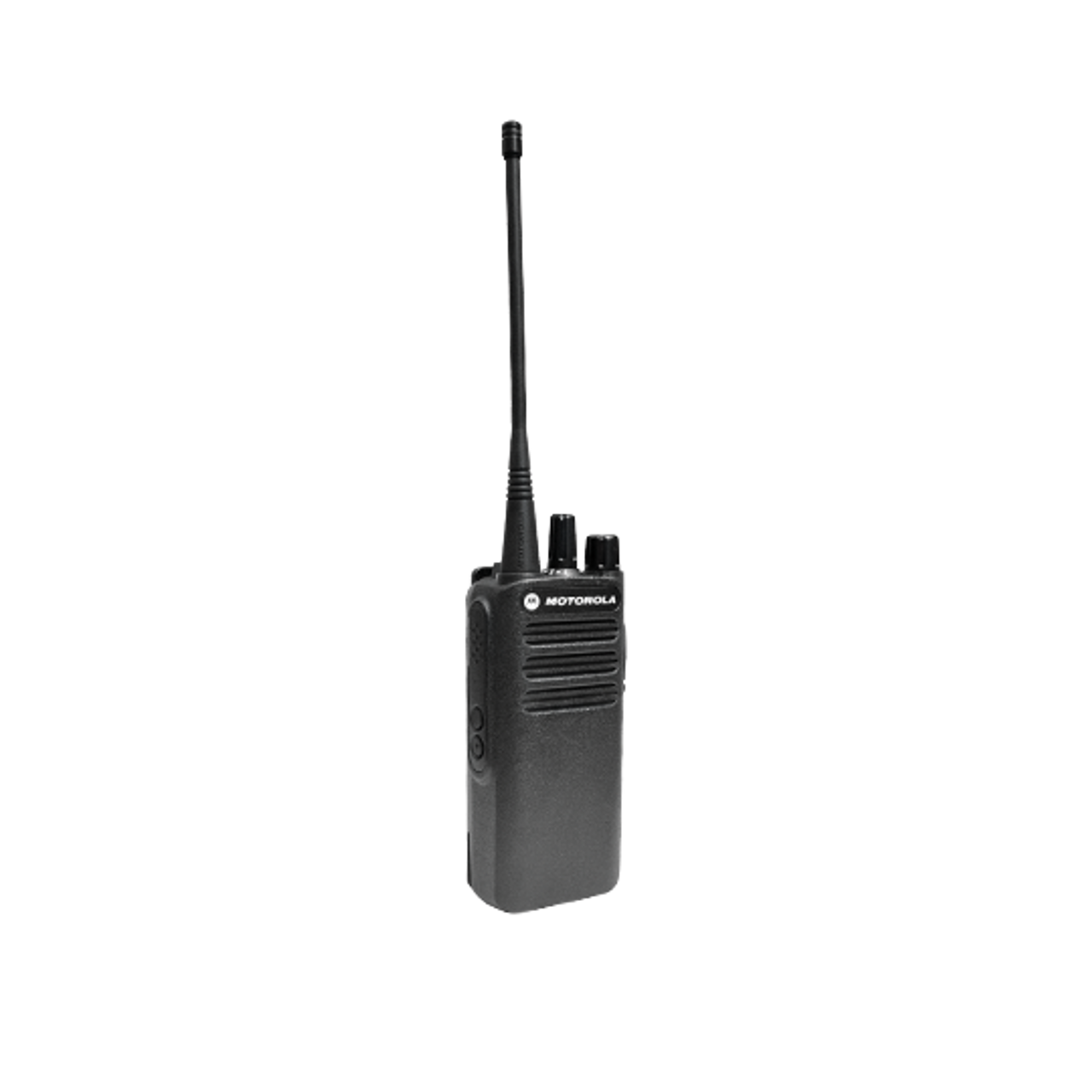
- Channels: 16
- Power: 4 Watts UHF
- Coverage: Up to 400,000 sq ft indoors / 2–3 miles outdoors
- Highlights: IP54 rated for ruggedness, pre-programmed text messages, voice announcement feature
The CP100d-UA is built tough and performs reliably across both indoor and outdoor environments. Its UHF frequency handles walls and obstructions well—ideal for facilities with multiple buildings or varied terrain.
For Multi-State or Nationwide Coverage
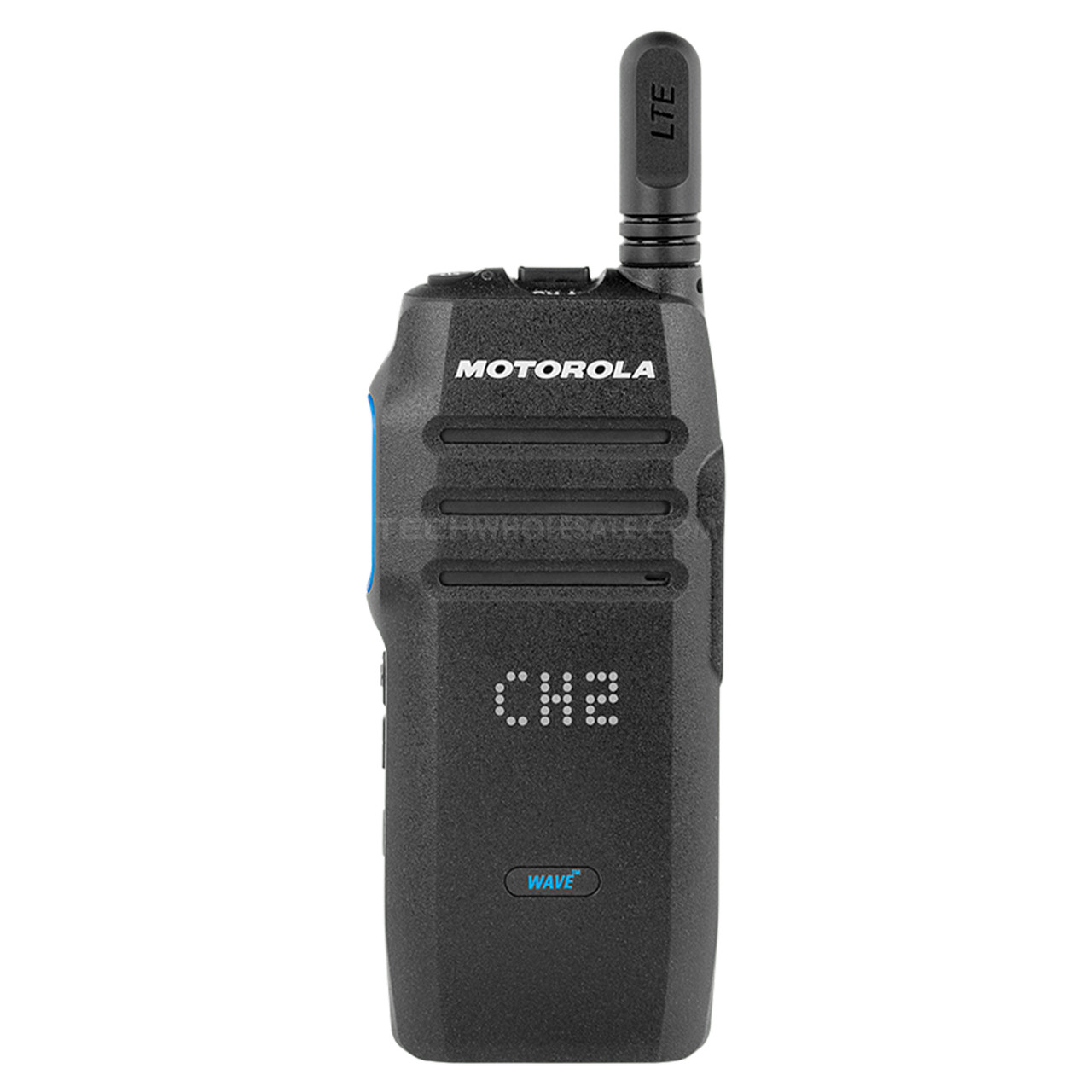
When your team covers large regions, or when coordination across departments in different locations is required, traditional radio range just won't work. The WAVE PTX series solves that problem entirely.
- Coverage: Unlimited via LTE and WiFi—no geographic limits
- GPS Tracking: Monitor staff locations in real time
- Emergency Button: Instantly alert the entire team when situations escalate
- Cross-Device Compatibility: Team members can communicate from a radio or a smartphone
- Subscription Required: Monthly fee per device applies; lease-to-own payment options available to ease upfront costs
For larger municipal animal control departments or agencies managing coverage across wide areas, the WAVE PTX series offers a level of flexibility and reliability that traditional radios simply can't match.
Accessories Worth Adding to Your Kit
The right accessories can make your radios significantly easier to use in the field:
- Speaker Mics: Clip to your uniform so you can hear and respond without reaching for your radio. Essential for busy situations.
- Holsters and Belt Clips: Keep radios secure and within reach. All our radios come with a belt clip or holster included.
- Multi-Unit Chargers: A docking station keeps all devices charged, organized, and accounted for at the end of each shift.
- Replacement Batteries: Radios come with batteries, but having spares on hand means no team member goes dark mid-shift.
- Earpieces: Great for quieter communication during stealthy animal tracking or sensitive operations.
Frequently Asked Questions
How long do two-way radio batteries typically last?
Battery life varies by model and usage, but most quality radios are designed to last a full 8–12 hour shift on a single charge. Keeping spare batteries or a multi-unit charger on hand eliminates any risk of going dark.
What's the difference between UHF and VHF radios?
UHF (Ultra High Frequency) radios are better suited for indoor environments and areas with buildings or other obstructions. VHF (Very High Frequency) performs better outdoors in open spaces. For animal control teams working in mixed environments, UHF is usually the safer choice.
Can radios work across different departments or agencies?
Yes—if radios are programmed to the same channels and frequencies, teams can communicate across departments. LTE-based radios like the WAVE PTX series offer even more flexibility, connecting users regardless of location or device type.
Get the Right Radio for Your Team
The right radio doesn't just improve communication—it makes your team faster, safer, and more effective in the field. Whether your team works within a single shelter or covers an entire county, there's a solution built for your needs.
We don't want you to guess. With over 25 years of experience in the two-way radio industry, our team is here to help you make the right call—every time. All purchases include lifetime tech support, so you're never left troubleshooting on your own.
Ready to equip your team? Request a quote today for our best possible pricing.