
Every second counts when a resident needs help. A caregiver who can't reach the right person fast enough, a medication missed because of a missed message, staff overwhelmed in one wing while others nearby are completely unaware—these aren't just operational headaches. They're safety risks.
The right two-way radio fixes all of that. Clear, instant communication means your team can coordinate across your entire facility without fumbling with phones, waiting on hold, or shouting down hallways. When everyone is on the same channel (literally), your operation runs faster, smarter, and with far fewer gaps.
But here's the catch: not all radios are created equal. Grab the wrong model and you'll be dealing with static, dead zones, and a device that won't survive a full shift. This guide cuts through the noise and walks you through exactly what to look for—and which models we recommend—based on thousands of radios sold to assisted living facilities just like yours.
What to Look for in an Assisted Living Radio
Before jumping to product recommendations, it's worth understanding what separates a great assisted living radio from a generic one. These facilities have specific demands: discreet communication, reliable coverage through thick walls, long battery life, and features that support emergency response.
Here's what matters most.
Coverage and Power
Your radio needs to match your building. Too much power and you're overpaying. Too little and you'll hit dead zones at the worst possible moments.
- Small to mid-size facilities (up to 250,000 sq ft): 1–2 watts of power is sufficient. Most single-building layouts fall into this category.
- Larger facilities or multiple buildings (up to 350,000 sq ft): Look for 3–4 watts on analog, or 1 watt on digital. Digital signals carry farther and penetrate walls more effectively.
- Thick concrete walls: Step up one watt to compensate for signal loss through dense building materials.
- Multi-location operations: Consider LTE/Wi-Fi-enabled radios like the Motorola WAVE PTX series, which provide nationwide coverage without traditional radio limitations.
Number of Channels
Channels keep team conversations separate and reduce unnecessary chatter. In an assisted living setting, we recommend organizing staff into at least four groups:
- Management – Daily operations and administrative oversight
- Nursing and Care Staff – Patient assistance, medication, and emergencies
- Housekeeping and Maintenance – Cleaning schedules and repairs
- Security and Safety – Resident well-being and emergency response
When staff know that "channel 3 = maintenance," communication becomes effortless. Channels can also be used for private conversations: "Sarah, meet Tom on channel two"—and the rest of the team hears nothing.
Key Features for Assisted Living
Beyond coverage and channels, these features make a real difference in a care environment:
- Emergency Alert Button: Instantly notifies all radios of a critical incident. Essential for resident emergencies.
- Long Battery Life: Radios need to last a full shift without constant recharging.
- Compact and Discreet Design: Staff are always on the move. Bulky devices get in the way.
- VOX (Hands-Free Operation): Caregivers can respond while assisting residents, no button press needed.
- Durability and Water Resistance: Radios get dropped. They get splashed. They need to survive it.
- Clear Audio Quality: Messages must come through cleanly, even in noisy common areas or busy kitchens.
Brand Quality Matters
Motorola and Kenwood are the two most trusted names in business two-way radios—and for good reason. Both brands build devices specifically for professional environments, with durable construction, intuitive controls, and no monthly cell plan required*. Their radios are tested for five years of field use and come with manufacturer warranties ranging from one to three years depending on the model.
Best Two-Way Radios for Small Assisted Living Facilities (Up to 250,000 sq ft)
For smaller, single-building facilities, you want something lightweight, discreet, and easy to operate. Here are our top picks.
Motorola CLS1410 — Best Overall for Small Facilities
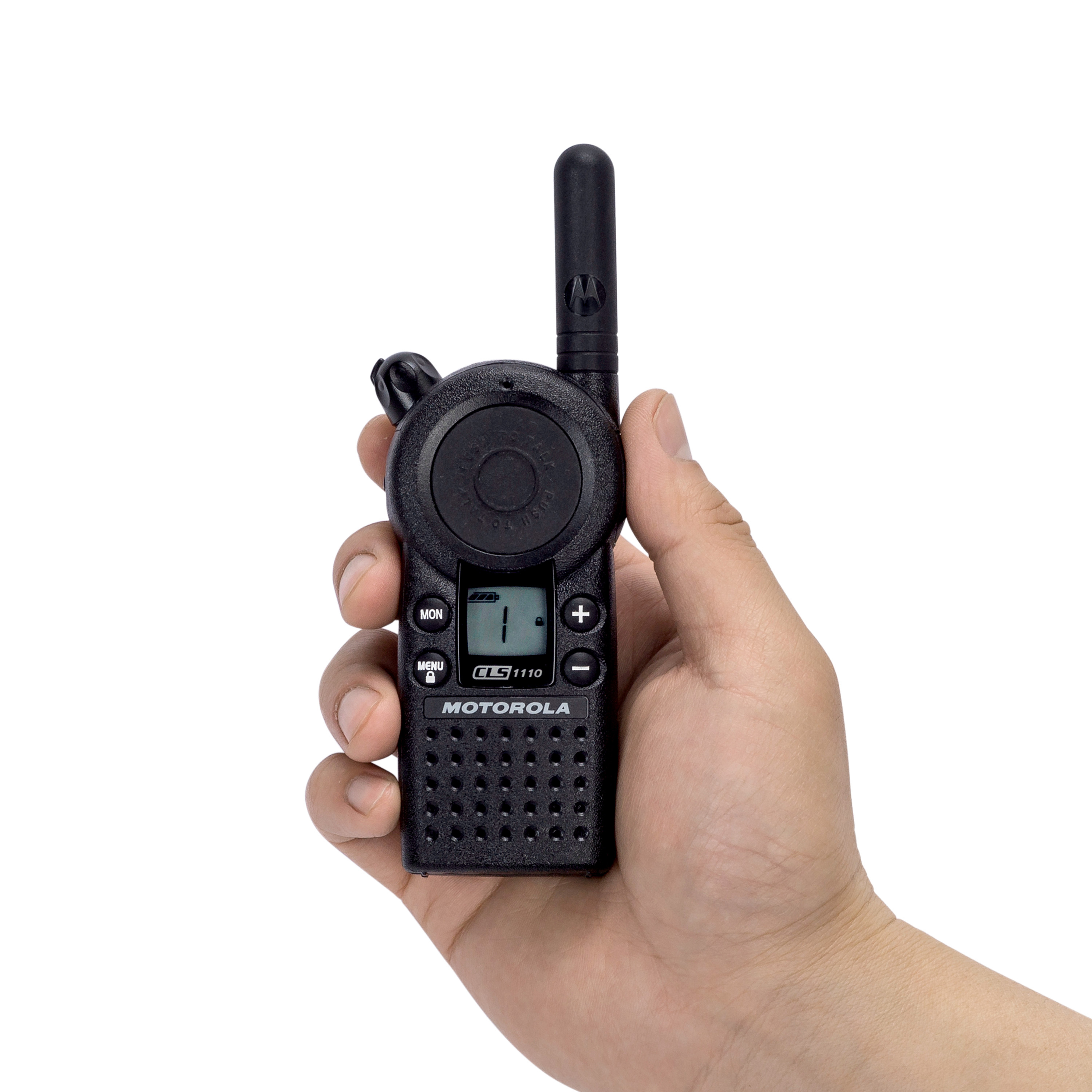
The CLS1410 has been a go-to radio for small assisted living facilities for over 15 years. It's economical, reliable, and built with ease of use in mind.
Why it stands out:
- 4 channels for easy staff segmentation
- UHF signal optimized for both indoor and outdoor areas
- Indoor range of 200,000 sq ft or up to 15 floors
- Audible call alerts with Vibracall—messages won't interrupt staff mid-conversation with a resident
- VOX for hands-free use
- External speaker makes it useful in kitchen environments (no earpiece needed)
If you're looking for a dependable, cost-effective radio with a proven track record, the CLS1410 is hard to beat. Contact us today to receive a custom quote.
Motorola CLP1010e — Most Discreet Option
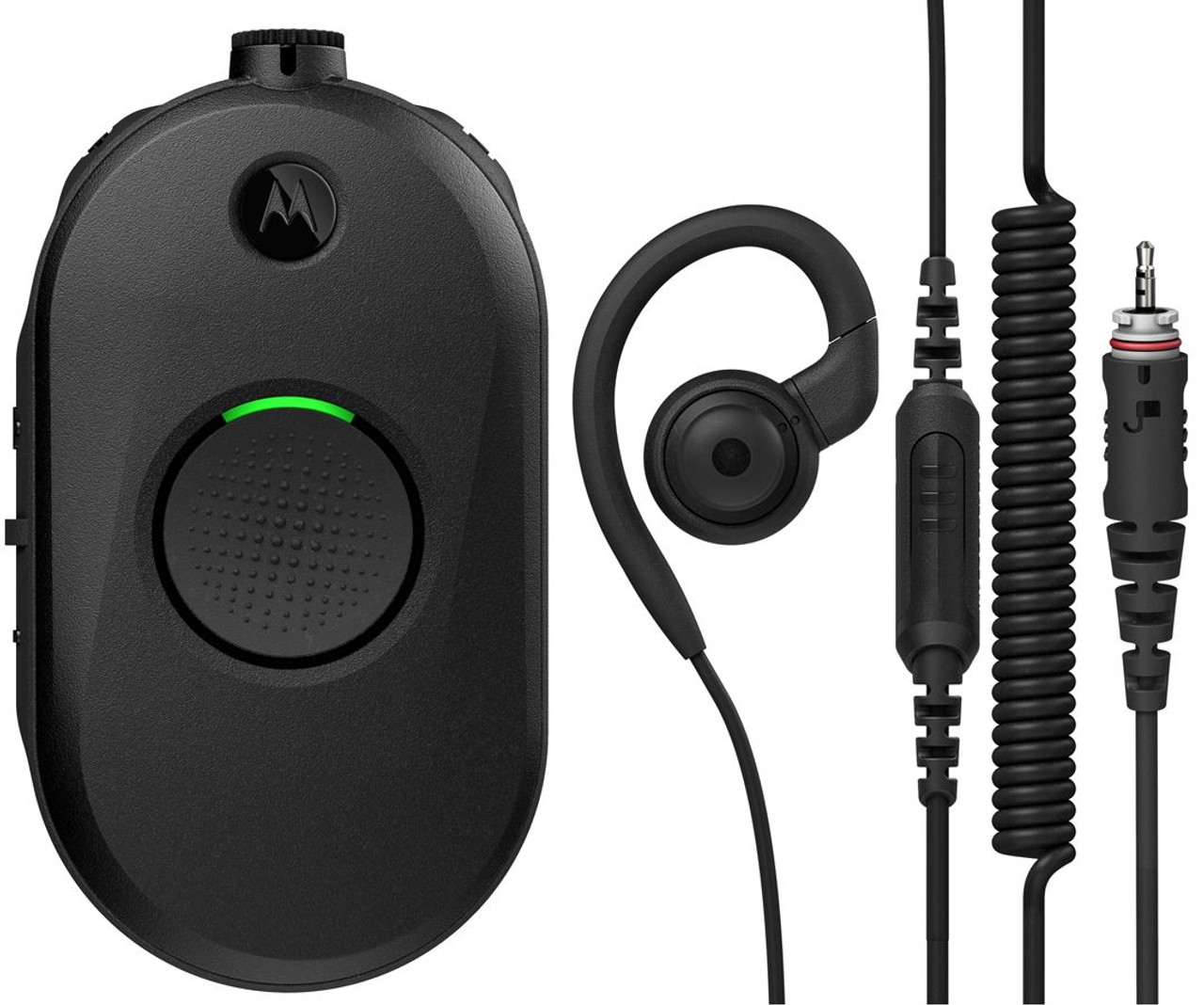
The CLP1010e is the smallest professional radio on the market. It's designed to be worn discreetly, creating a polished, upscale appearance for your staff.
Why it stands out:
- Ultra-compact—clips onto a collar or belt without getting in the way
- Comes with a swivel belt holster and earpiece included
- UHF signal for indoor and outdoor communication
- Indoor range of 100,000 sq ft or 10 floors (up to 20 floors with a repeater)
- No external speaker—earpiece only, which keeps communication private
This is an excellent choice for facilities where staff appearance and discretion are a priority. Reach out to us today for a free quote.
Honorable Mentions
Kenwood PKT300
A compact, powerful option with 6 channels, 2-watt UHF, and a coverage range of 275,000 sq ft. Includes a display and VOX. Great battery life and very easy to use.
Motorola CLP1080e
Lightweight and discreet with 8 channels and excellent audio clarity. 1-watt UHF with a 100,000 sq ft range. Like the CLP1010e, it uses an earpiece only—no external speaker.
Motorola CLS1110
A no-fuss, single-channel radio with a 200,000 sq ft range and a long-lasting battery. Simple, reliable, and great for smaller teams that don't need multiple channels.
Best Two-Way Radios for Larger Facilities (Up to 350,000 sq ft)
Larger or multi-building facilities need more coverage, more channels, and more durability. These models are built for the challenge.
Motorola Curve — Best Overall for Larger Facilities
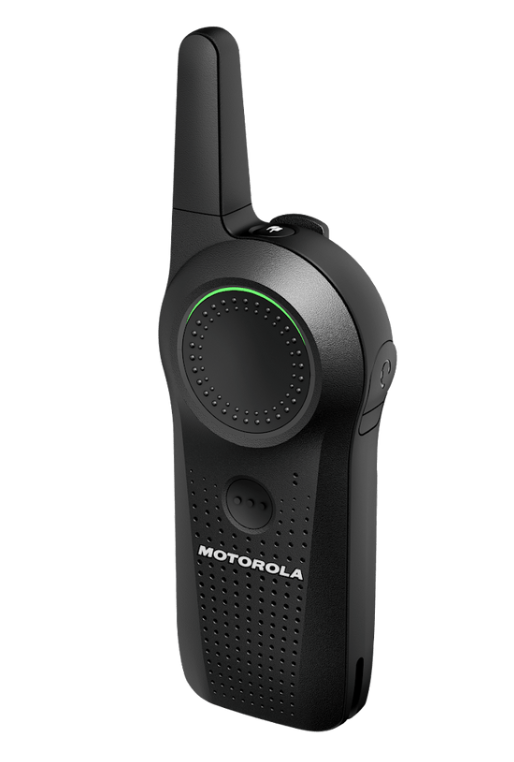
The Motorola Curve is one of our strongest recommendations for larger assisted living facilities. It uses 900 MHz digital communication, which delivers cleaner, clearer audio than older analog technology—and it does so with no FCC licensing fees required.
Why it stands out:
- 10 channels for large, multi-team operations
- 300,000 sq ft indoor range or up to 20 floors
- More durable and compact than the CLS or CLP series
- Digital communication for superior audio clarity
- No FCC license required—saving you money on government fees
- Ideal for facilities with up to six radios in active use
If your facility spans multiple wings, floors, or outdoor areas, the Curve gives you the coverage and clarity to keep every team connected. Contact us for pricing.
Best for Nationwide Coverage: Motorola WAVE PTX Series
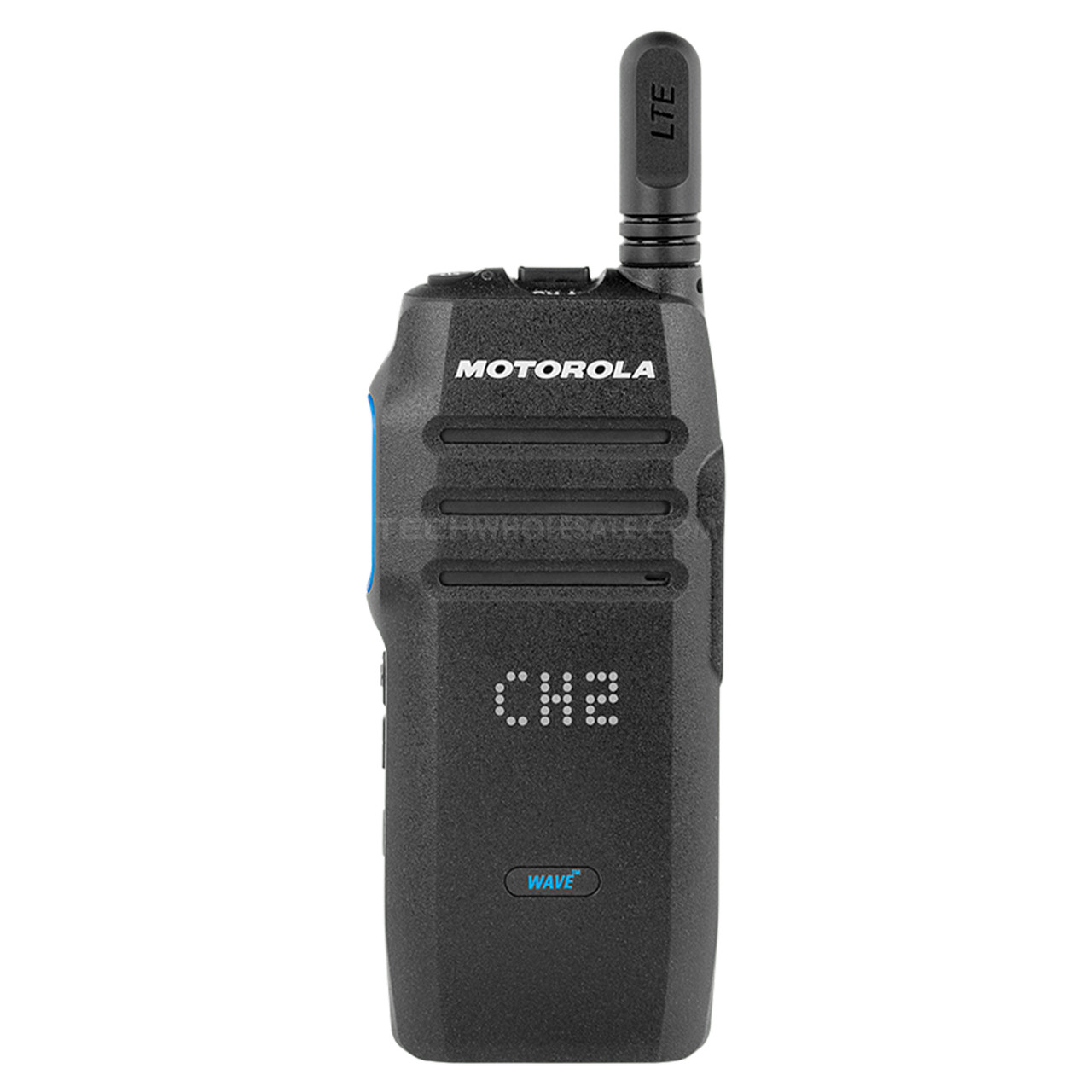
For organizations managing multiple assisted living locations across cities or states, traditional radio simply isn't enough. The Motorola WAVE PTX series operates over LTE and Wi-Fi, eliminating distance limitations entirely.
Standout features:
- Unlimited coverage through LTE and Wi-Fi
- GPS tracking to locate staff in real time
- Emergency button for staff safety
- Works across phones and radios simultaneously
- Lease-to-own payment options available
This series does require a monthly subscription per device, but for large multi-site operators, the operational benefits far outweigh the cost. Contact our team for subscription pricing and lease options.
Frequently Asked Questions
How much power do I need for my assisted living facility?
It depends on the size of your building. Here's a straightforward breakdown:
- Small to mid-size facilities (up to 250,000 sq ft): 1–2 watts is sufficient for most single-building layouts.
- Larger facilities or multiple buildings (up to 350,000 sq ft): Step up to 3–4 watts on analog, or 1 watt on digital. Digital signals travel farther and cut through walls more effectively.
- Thick concrete walls: Add one extra watt to compensate for signal loss through dense materials.
- Multi-site operations: Consider LTE/Wi-Fi-enabled radios like the Motorola WAVE PTX series for unlimited range across locations. Getting the wattage right means no dead zones—and no missed emergencies.
Should I use UHF or VHF radios in my facility?
For an assisted living facility, UHF is the right choice. UHF radio waves operate at higher frequencies, and their shorter wavelengths allow signals to penetrate steel and concrete with ease.
VHF waves, by contrast, struggle to push through walls and building materials—making them a poor fit for indoor environments. As a simple rule: indoors, always go UHF. .
What is an Emergency Alert Button, and why does it matter in assisted living
The Emergency Alert Button is one of the most critical features to look for in an assisted living radio. With a single press, it instantly notifies every radio on the network that a critical incident has occurred—no dialing, no waiting, no confusion. When a resident falls, experiences a medical episode, or needs immediate assistance, every second counts.
Phones require dialing. Shouting down hallways doesn't reach the right person. A dedicated emergency alert button does both—instantly and reliably. Look for radios that support an escalate call or all-call function so the entire team can respond the moment it's needed.
How many channels do I need, and how should I organize them?
More channels mean less chatter—and cleaner, faster communication across your team. For most assisted living facilities, we recommend organizing staff into at least four dedicated channels:
- Channel 1 – Management: Daily operations and administrative oversight
- Channel 2 – Nursing & Care Staff: Patient assistance, medications, and emergencies
- Channel 3 – Housekeeping & Maintenance: Cleaning schedules and repair requests
- Channel 4 – Security & Safety: Resident well-being and emergency response When staff know that "channel 3 = maintenance," communication becomes effortless.
Channels can also be used for private conversations—"Sarah, meet Tom on channel two"—while the rest of the team hears nothing. Clean, simple, and effective.
Why are two-way radios better than phones or intercoms for staff coordination?
Phones require unlocking, dialing, and waiting. Intercoms broadcast to everyone, whether relevant or not. Two-way radios eliminate both problems. With a push-to-talk radio, communication is instant—one button press reaches the right person or team immediately. There are no missed calls, no hold times, and no disruption to residents.
Features like VOX (hands-free operation) mean caregivers can respond while actively assisting a patient, without stopping what they're doing. When you multiply lost minutes by dozens of patients each week, the time adds up fast. Radios close the communication gap—and they do it without disrupting your residents' experience.
Which radio brands are best suited for assisted living facilities?
Motorola and Kenwood are the two most trusted names in professional two-way radios—and both are proven performers in healthcare and care environments. Here's why they stand out:
- Radios are built for five years of field use • Manufacturer warranties range from one to three years depending on the model
- Designed for intuitive, minimal-training use—critical for high-turnover care environments
- No recurring cell plan fees on most models
For small facilities, the Motorola CLS1410 and Kenwood PKT-300 are excellent starting points.
For larger or multi-wing facilities, the Motorola Curve delivers digital-grade audio clarity with a 300,000 sq ft indoor range—and requires no FCC license.
Do I need an FCC license to operate two-way radios in my facility?
It depends on the frequency your radios operate on. Some radios—particularly those on licensed UHF frequencies—require an FCC license under the Industrial/Business Pool (Part 90). Assisted living facilities and healthcare organizations are explicitly eligible to apply. Learn more about the The licensing process involves
Other radios—like the Motorola Curve, which operates on 900 MHz digital frequencies—are license-free, saving you ongoing fees and administrative overhead.
An FCC license is not required to purchase radios.
How many radios does my facility need?
A reliable starting point: one radio per active caregiver per shift, plus additional units for management, maintenance, and security staff. It's also worth keeping one or two spare radios on hand for shift overlaps or in case of damage. If you're unsure of the right number for your team size, request a free quote and we'll help you size the deployment correctly.
Are these radios easy for care staff to learn?
Yes. All recommended models are designed with simplicity in mind—large push-to-talk buttons, clear channel indicators, and minimal setup required. Most staff can pick up a radio and use it confidently within minutes, with no formal training needed. For facilities with high staff turnover, that ease of use isn't just a convenience—it's a necessity.
Get the Right Radio for Your Team
When a resident needs help, your team needs to respond—instantly. These radios have been selected based on real-world performance across thousands of assisted living facilities.
Whether you're outfitting a small single-floor facility or a large multi-building campus, there's a model here that fits.
Request a quote today and we'll match you with the best radio for your facility.