

Buy the first radio you see, and you might regret it fast. Static-filled calls, a battery that dies mid-shift, and a build that can't survive a week on the floor...
Since 1997, we've sold thousands of radios to businesses just like yours, and we've compiled everything we know into this guide.
What to Look for in a Recycling Center Radio
Not every two-way radio is built for industrial use. Before settling on a model, here's what matters most in a recycling center environment:
Durability
Recycling floors are rough on equipment. Radios get dropped, exposed to dust and debris, splashed with water, and knocked around on conveyor belts. Look for radios with military-grade construction and resistance to dust, shock, vibration, and water. If your radio can't handle the environment, it's going to cost you more in replacements than it saves in efficiency.
Coverage and Range
Recycling centers—especially large metal facilities—can be notoriously hard on radio signals. Metal structures interfere with transmission, and large square footage means you need a radio with enough power to reach every corner of the operation. Look for UHF radios, which perform better indoors and in environments with physical obstructions like metal walls and heavy equipment.
Audio Clarity
Background noise on a recycling floor is relentless. Machinery, compactors, forklifts—all of it creates a wall of sound that makes poor audio quality a real safety concern. Your radios need to cut through that noise and deliver clear, intelligible communication every time.
Battery Life
Your team works long shifts. A radio that taps out by mid-afternoon is a liability. Prioritize models with long-lasting rechargeable batteries that can handle a full day of continuous use.
Ease of Use
Radios shouldn't require training to operate. Workers with gloves on, in a hurry, in noisy conditions—they need a radio they can use instinctively. Simple channel switching, large buttons, and hands-free options all make a real difference.
Our Top Radio Recommendations for Recycling Centers
After years of equipping industrial businesses with communication tools, three Motorola models stand out for recycling and metal centers: the Motorola Curve, the RMU2040, and the BPR50dx.
Motorola Curve — Best for Large Centers
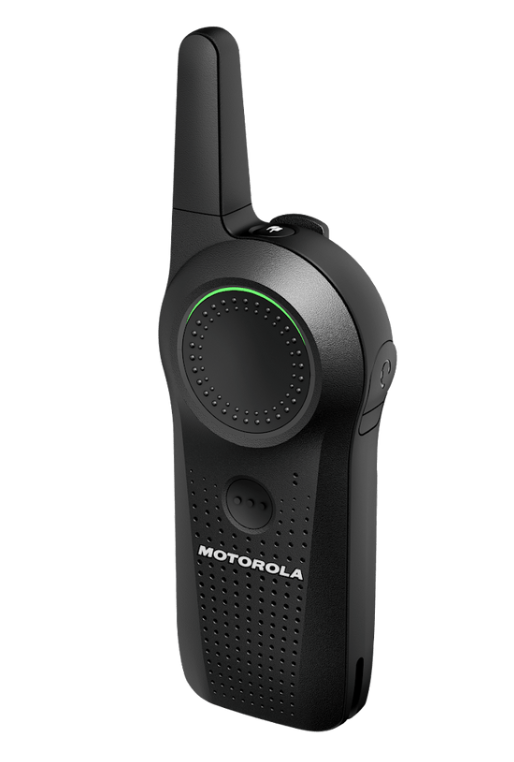
The Curve Series radios are a smart choice for teams that want digital audio quality. Here's what makes them stand out:
- Crystal-clear digital audio that stays strong to the edge of the coverage area—no gradual degradation, no static
- 1 watt of power that delivers the same range as a 4- to 5-watt analog radio
- Flexible communication—speak to one person or broadcast to your entire team
- Advanced features typically found in higher-end commercial radios
Digital two-way radios combine the convenience of a cell phone, the reliability of a two-way radio, and the pristine quality of digital audio. For recycling centers where quick coordination is essential, the Curve delivers exactly that.
Motorola RMU2040 — Best for Hands-Free Operation
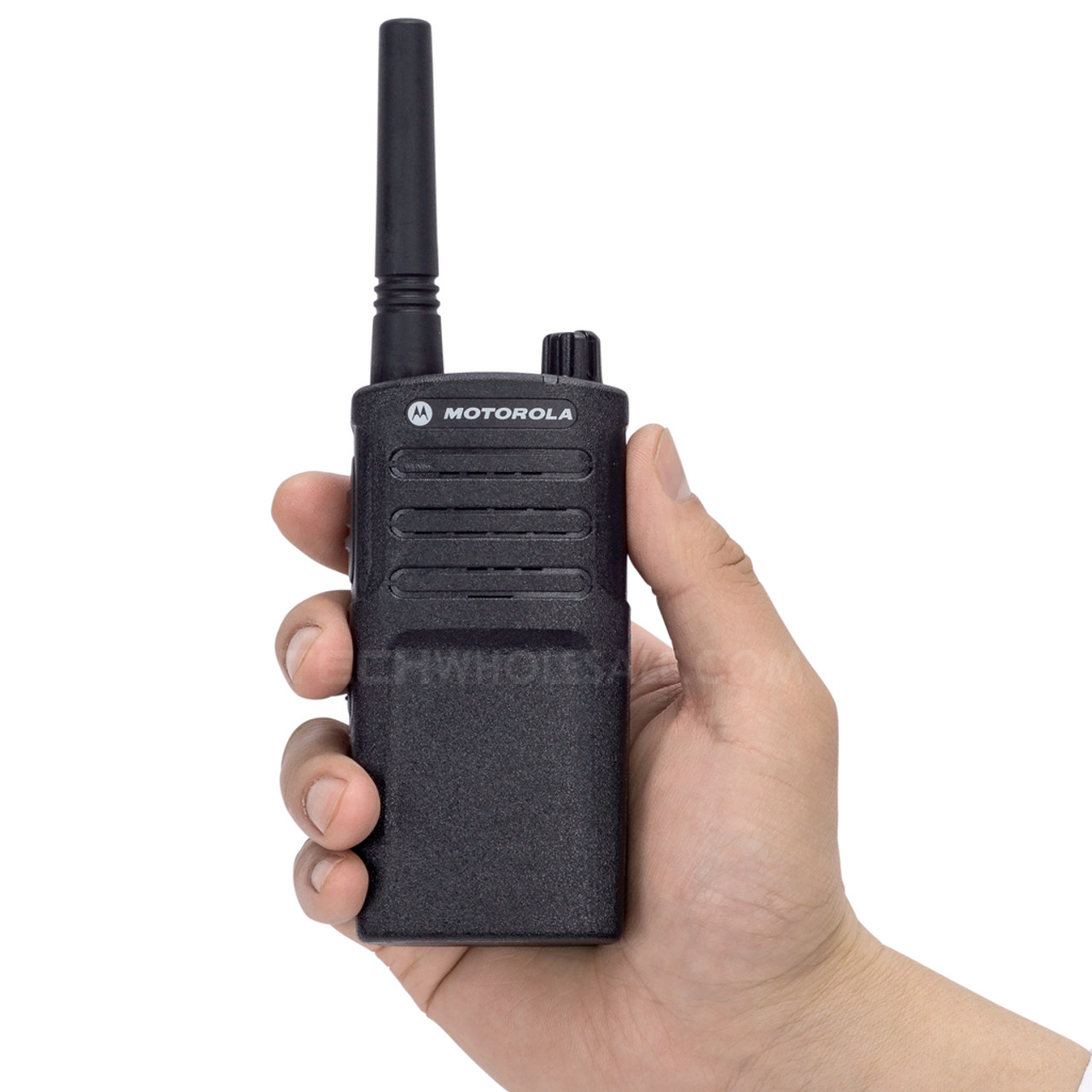
The RMU2040 is a 4-channel, 2-watt UHF radio built for demanding business environments. Key features include:
- Hands-free communication, which is invaluable when workers are operating machinery or handling materials
- Military-grade construction that holds up under daily industrial use
- Business frequencies and privacy codes to keep your communications organized and secure
- 2 watts of UHF power for solid indoor range, even in metal-heavy environments
If hands-free operation is a priority—and in most recycling facilities, it should be—the RMU2040 is an excellent fit.
Motorola MagOne BPR50dx-U — Best for Maximum Ruggedness

For teams that operate in the harshest conditions, the BPR50dx Series is as tough as it gets. These radios are:
- Resistant to dust, shock, vibration, and high-powered jets of water—built for environments that would destroy lesser radios
- Compatible with a repeater, which extends coverage across larger or multi-building facilities
- Equipped with a removable whip antenna for flexibility in different settings
If your facility is large, loud, and hard on equipment, the Mag One Series is worth serious consideration.
Why Buy from an Authorized Motorola Dealer?
Motorola's reputation in the two-way radio industry is well-earned, but not every seller offers the same level of support. Purchasing from an Authorized Motorola Dealer like Tech Wholesale means you get:
- Genuine Motorola products with full manufacturer warranties
- Competitive pricing without compromising on quality
- Expert guidance from a team with over 15 years in the two-way radio industry
- Lifetime tech support included with every purchase
We've provided tens of thousands of businesses with top-quality radios, and we bring that expertise to every order.
Frequently Asked Questions
How many radios do I need for my facility?
This depends on the size of your team and the layout of your facility. A good rule of thumb is to equip every supervisor, floor lead, and any worker who regularly needs to coordinate with other departments. Contact us for a personalized recommendation.
Can these radios handle outdoor use?
Yes. The Mag One BPR50dx Series in particular is designed to resist dust, moisture, and physical impact, making it suitable for outdoor collection areas and yard operations.
What's the difference between analog and digital radios?
Analog radios are the traditional standard—reliable and widely used. Digital radios, like the Motorola Curve, offer cleaner audio, better range efficiency, and more advanced features. For most recycling center applications, either will work well, but digital is the better long-term investment.
Can I use these radios across multiple buildings?
Yes, with the right setup. The Mag One Series is compatible with a repeater, which can significantly extend coverage across large or multi-building facilities. Reach out to our team to discuss the best configuration for your site.
Get Your Team Connected—the Right Way
Poor communication on a recycling floor isn't just frustrating—it slows operations, creates safety risks, and costs your business money. The right radio eliminates that problem entirely.
Whether you go with the clarity of the Curve, the hands-free convenience of the RMU2040, or the indestructible reliability of the Mag One Series, you'll have a communication tool built to keep up with your team.
Ready to find the right fit? Request a quote from Tech Wholesale for our best possible pricing, or reach out to our support team directly. We'll help you make the right call—every time.