

Your engineers work on the roof, in the basement, and everywhere in between. Business-grade UHF or 900 MHz radios give your team instant contact through the whole building, so every system gets fixed fast.
Let’s find the right radio for your team! We’ve worked with hundreds of engineering teams across the US since 1997, and here’s exactly how to choose.
What Does an Engineering Team Actually Need From a Radio?
The hydraulic press in Bay 3 has been down for over 30 minutes. No one from maintenance has shown up. Production is at a standstill. Meanwhile, the lead engineer is walking the floor trying to track someone down, while operators wait with nothing to do. Over in Bay 1, another machine is throwing error codes—but no one's sure if it's serious.
Clear, reliable two-way radios would have resolved that situation in seconds. But not just any radio will do. Engineering environments are demanding. Loud machinery, thick walls, multi-floor buildings, and high-stakes tasks all place specific demands on communication equipment.
Here's what to look for.
Rugged, Durable Build
Construction sites and electrical rooms aren't gentle. Your radios shouldn't be either. Look for models with an IP54 rating or higher for water and dust resistance, and MIL-STD-810 compliance for protection against drops and shocks.
Clear Audio with Noise Cancellation
Electrical equipment generates a constant hum. Background noise suppression and loud, clear speakers ensure messages get through, even when standing next to a running generator or a busy production line.
Long Battery Life
A full workday demands a full battery. Choose radios with at least 12–18 hours of battery life, and look for fast-charging options so you're never caught short between shifts.
Hands-Free Capability
When both hands are on tools or wiring, stopping to press a button isn't always an option. VOX (voice-activated transmission) and headset compatibility keep your team connected without interrupting their work.
Strong Signal Coverage
Large job sites and multi-floor buildings present real coverage challenges—especially with thick concrete walls and electrical enclosures in the way. UHF frequencies and repeater compatibility help ensure your signal stays strong wherever your team is working.
Channel Customization
Channels aren't just for separating teams. They're also useful for private conversations. If you need to pull someone aside—"Sarah, call Tom on channel two"—they can have a focused, in-depth discussion without cluttering the main channel. Simple, efficient, and easy to manage.
Emergency and Lone Worker Features
In high-risk environments, features like emergency alert buttons, man-down sensors, and lone worker timers can be genuinely life-saving. Don't treat these as optional extras in a demanding engineering setting.
Coverage Considerations: Matching Power to Your Space
One of the most common mistakes engineering teams make is buying a radio that's either underpowered for their space or more powerful than they actually need. Getting this right saves you money and prevents coverage gaps.
- Small buildings (up to 250,000 sqft): 1–2 watts of power is sufficient. You'll get solid coverage across most single-floor or compact multi-floor facilities.
- Larger buildings or multiple buildings (up to 350,000–400,000 sqft): Step up to 3–4 watts on analog, or 1 watt on digital. This gives you the signal strength to punch through thick walls and maintain clarity across greater distances.
- Obstructions matter: Thick concrete walls can significantly degrade signal quality. If your facility uses heavy construction materials, consider going one watt stronger than you think you need.
- Multi-location operations: For teams spread across multiple sites, cities, or even states, LTE and Wi-Fi enabled radios—like the Motorola WAVE PTX series—offer unlimited coverage without the range restrictions of traditional radio.
Quality Brands Make a Real Difference
A cheap radio might save you money on day one. By month six, you'll likely be replacing it—and paying again. Motorola and Kenwood are the two most trusted names in professional two-way radios, and for good reason.
Both brands build radios that are purpose-built for demanding environments. They're intuitive to use, durable enough to survive years of field use, and tested to ensure you get a genuine return on your investment. Most models come with a manufacturer warranty of 1–3 years depending on the model, and there are no monthly cell phone plan costs to worry about.
When you're equipping a full engineering team, that subscription-free model adds up to significant savings over time.
Our Top Two-Way Radio Picks for Engineering
These recommendations come from direct experience working with thousands of radios across a wide range of engineering environments. Each one has a proven track record.
Best for Small Buildings
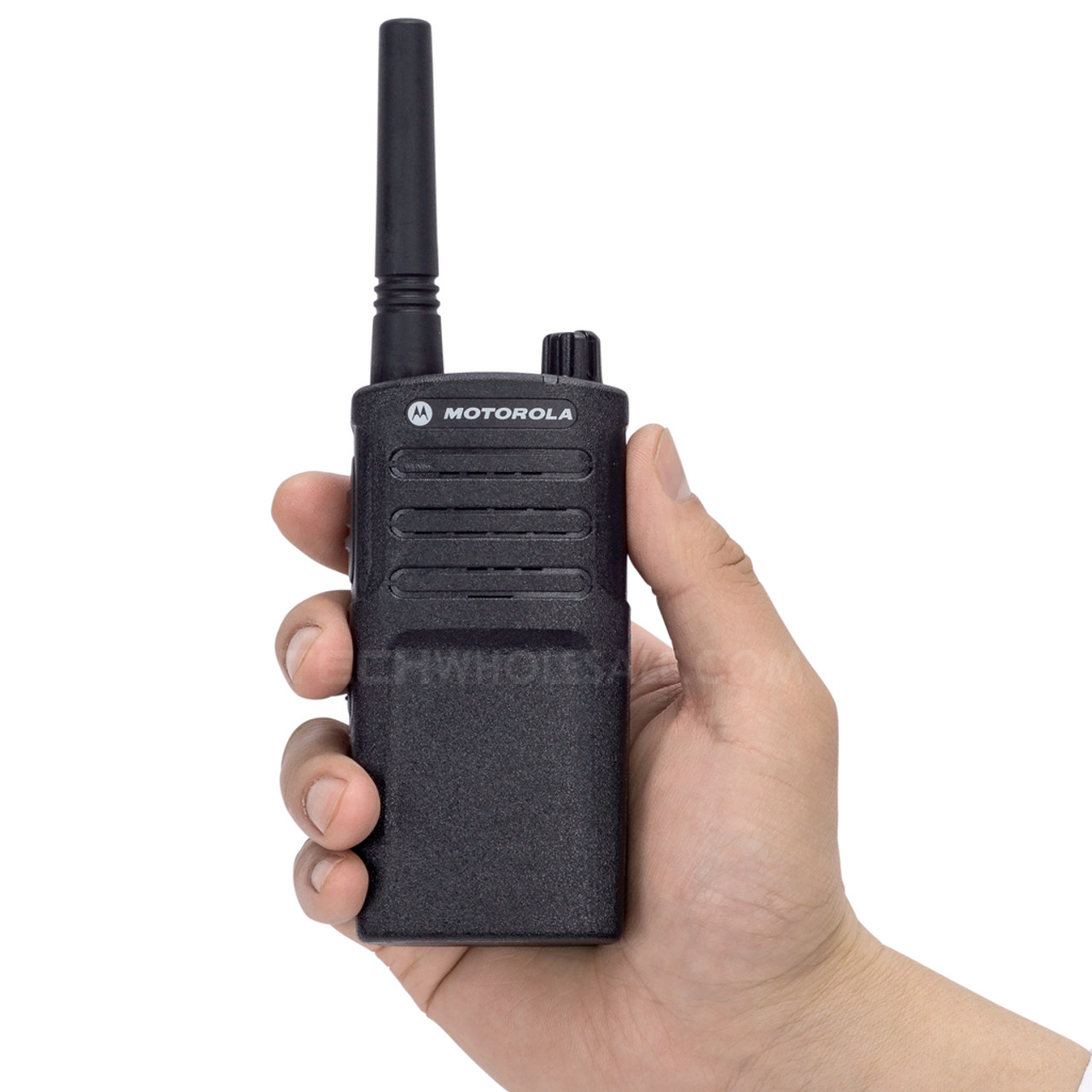
- Channels: 4
- Power: 2 watts | UHF (450–470 MHz)
- Coverage: Up to 250,000 sqft
A compact, reliable workhorse for smaller facilities. The RMU2040 is easy to use, lightweight, and delivers consistent coverage across single-floor or compact multi-floor buildings. Engineers love it for its clear audio and no-fuss operation.

- Channels: 8
- Power: 2 watts | UHF
- Coverage: Up to 250,000 sqft / 25 floors
One of the most durable radios on the market. The RMU2080d adds a display for easier channel management, making it a strong choice for teams that need more channel flexibility without stepping up in power.
Best for Larger or Multi-Building Facilities
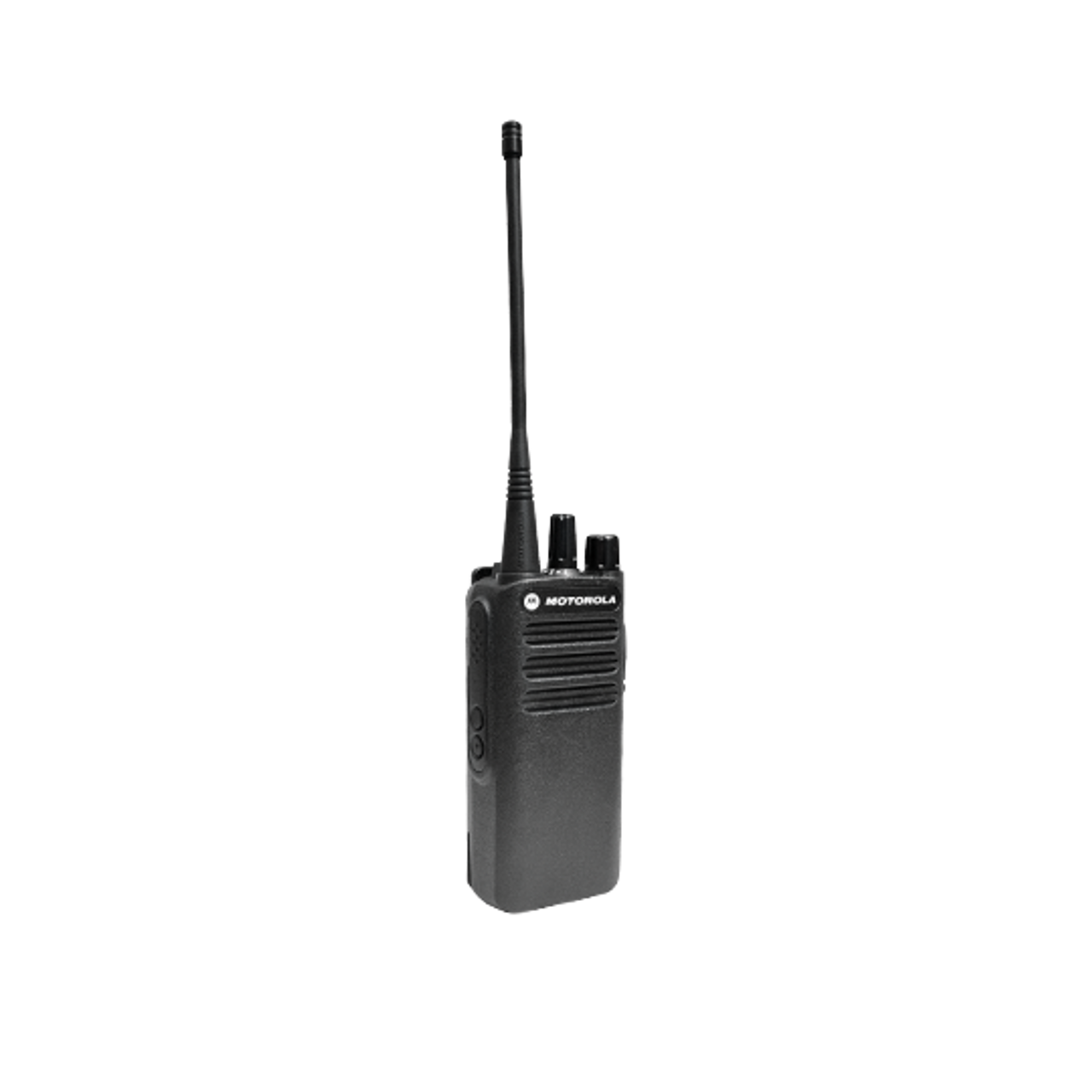
- Channels: 16
- Power: 4 watts | UHF
- Coverage: Up to 400,000 sqft indoors / 2–3 miles outdoors
- Features: Rugged IP54 rating, pre-programmed text messages, voice announcement
Built for large-scale engineering operations. The CP100d-UA handles big facilities with ease and comes with practical extras like pre-programmed text messages for faster, more efficient communication.

- Channels: 64
- Power: 4 watts | UHF and Digital
- Battery Life: 14 hours
- Features: SCAN, VOX, Calling Alert
A powerful, feature-rich option for complex engineering teams. With 64 channels, VOX capability, and both analog and digital support, the NX-P1300NUK gives large teams the flexibility and range they need across demanding environments.
Best for Unlimited Coverage (LTE & Wi-Fi Enabled)
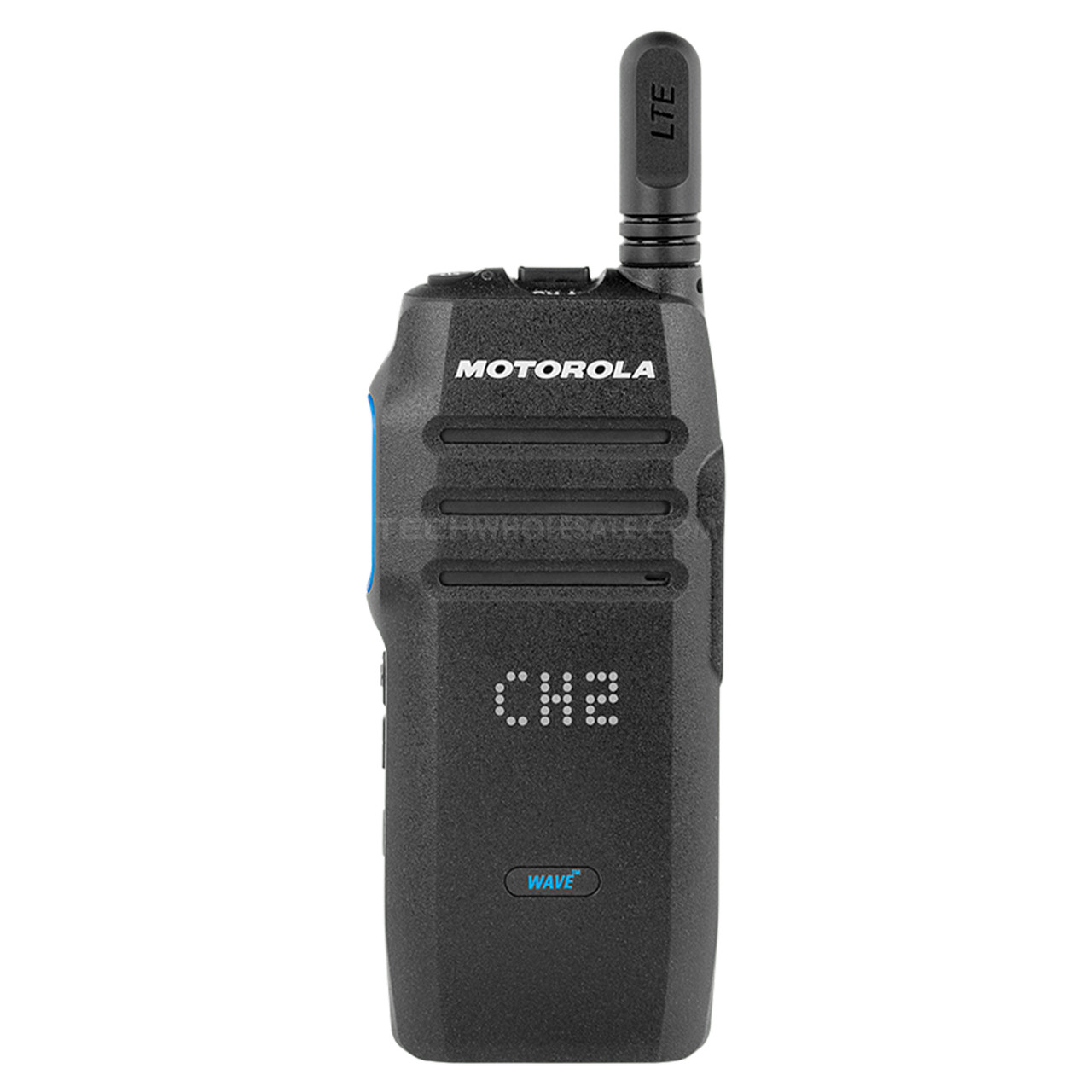
For engineering operations spread across multiple locations, the WAVE PTX series is in a class of its own.
- Unlimited coverage via LTE and Wi-Fi
- GPS tracking to locate staff in real time
- Emergency button for worker safety
- Compatible with the WAVE app—talk to radios directly from your smartphone
- Analog failsafe: when Wi-Fi or cell service drops, the radio switches to antenna-to-antenna mode with up to 350,000 sqft of coverage
The WAVE PTX series requires a monthly subscription per device, with lease-to-own options available to help manage upfront costs.
Make the Right Call for Your Engineering Team
The wrong radio costs more than you think—in downtime, frustration, and missed communication at critical moments. The right one keeps your team connected, your operations running, and your people safe.
At Tech Wholesale, we've spent over 25 years helping engineering teams find the perfect radio for their needs. Whether you're outfitting a small maintenance crew or coordinating across multiple facilities, we'll help you make an educated decision—not just a fast one.
Request a Quote for our best pricing!
Have questions about which radio is the right fit for your team? Reach out to our support team. We offer lifetime tech support, so we're with you long after the sale.